

Bye-Bye Plastic Bags
Country: Indonesia
Ages: 8-10
Author: Shamim Padamsee
Publisher: Zamasama Original
Illustrator: Ashok Rajagopalan
Lesson Plan
- This story is a compelling gateway into climate activism and marine conservation.
- Students will explore how plastic use affects the waterways - oceans, rivers and lakes.
- Show how children can organize campaigns to manage plastic waste.
- Melati and Isabel's real-life success inspires learners to envision their own impact.
Activities
- Plastic-Free Audit: Track plastic use at home or school for one day. What alternatives can you find?
- Design an Advocacy Poster: Create a poster encouraging plastic reduction or ocean clean-ups
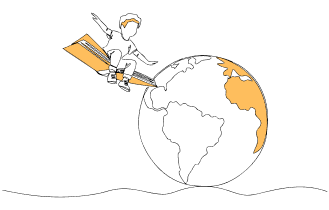
- Locate Bali and Other Activist Regions: Use a world map to find Bali. Discuss other places where children are leading environmental change
- Compare Campaigns: Research similar youth movements (e.g. Greta Thunberg’s, Indian Ocean cleanups) and share what you learned
Story Discussion Guide
Before reading
- Have you ever noticed how much plastic we use every day? Where do you see it most?
- What do you think happens to plastic after we throw it away?
- Why do you think it’s important to care about how our actions affect the planet?

During reading
- What made Melati and Isabel feel they needed to take action?
- What challenges did they face and how did they keep going?
- How did their efforts spread beyond Bali?

After reading
- If you had to stop using one plastic item starting today, what would it be and why?
- Why do you think children all over the world are stepping up for the environment?
- What’s one small step you can take to help the Earth?
- How can we learn from kids in other places and even in other countries who are protecting the planet?

Comments
Leave a Reply
You must be logged in to post a comment.


Sign up to receive notifications whenever we
release new books
Share this post

BYE-BYE Plastic should become a must-read for schools and climate enthusiasts. A powerful, relevant, and factual account written lucidly with appropriate illustrations.
Well-done Zamasama!