the-village-illuminator
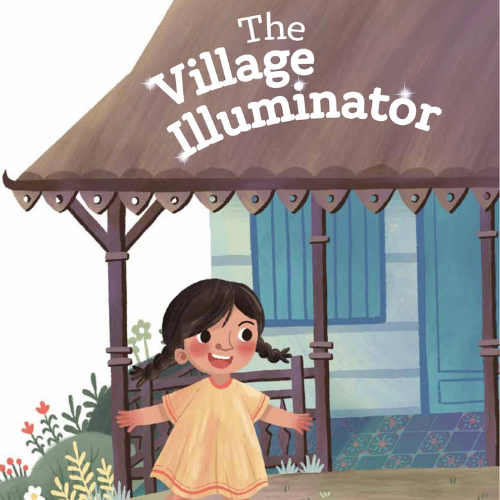
The Village Illuminator
Average Rating: 0.0
Country: Indonesia
Ages: 8-10
Author: Sofie Dewayani
Publisher: Room to Read
Illustrator: Vannia Santoso
Story Source: Literacy cloud
About The Story

What happens when a village has no electricity? Life becomes harder. But one woman, Tri Mumpuni, changed that. In this inspiring true story, she helps bring clean, renewable energy to remote communities in Indonesia through micro-hydro generators. No longer dependent on harmful fossil fuels, villagers begin to thrive with safer homes, better schools, and more time to learn and grow. The Village Illuminator shows how innovative ideas and community cooperation can light up not just homes—but futures. The story also introduces solar power—another form of clean energy that harnesses sunlight to produce electricity. Children will begin to understand how different renewable sources, like sun and water, can work together to reduce pollution and protect the planet.

Themes

Environment & Conservation
Community
Biography

Sub Themes

Renewable energy
Sustainable development
Women in science and innovation

Parent-Teacher Guide

Learning Outcome

  • Students will understand how clean energy can improve life in a village or city. They’ll see how teamwork and good ideas can solve real problems. They’ll also learn how they can save energy in simple ways to help the planet.
  • Learn why electricity is important in our daily lives.
  • Discover how clean energy (like water and sunlight) can help people and the planet.
  • Get inspired by Tri Mumpuni and others who have helped develop sustainable growth in their villages and towns
  • Think about how they can make life better in their own school or neighborhood.
  • Understand how saving electricity can help the Earth.

Activities

  • 1. Light It Up! – Try a simple science activity: use a battery and wires to light a small bulb. (With help from your teacher.)
  • 2. Energy Around the World – Find out how different places get their electricity—do they use wind, sun, or water?
  • 3. Our Energy Heroes! – Make a poster of Tri Mumpuni or someone you know who helps protect nature.
  • 4. Save Power Challenge – Create a class chart of how each student saves electricity at home—like turning off lights or unplugging chargers.
Story Discussion Guide

Before reading

  • What do you use electricity for every day?
  • Have you ever had a power cut at home? What was that like?
  • Why should we not waste electricity?

During reading

  • How did Tri Mumpuni help the people in the village?
  • What did the villagers do to help her back?
  • How did their lives change after they had electricity?
  • What is solar energy? Have you seen solar panels?

After reading

  • Why is clean energy (like water and sunlight) good for nature?
  • What kind of power do you think your school or home uses?
  • What can you do to save electricity at home or school?

Applicable Sustainable Development Goals

SDG 7 — Heading

The story highlights the need for energy access that is both clean and equitable. Solar and micro-hydro power are renewable sources that help communities grow sustainably.

SDG 13 — Climate Action

Clean energy solutions reduce carbon emissions and build climate resilience in communities.

Comments

Comments

Leave a Reply

Sign up to receive notifications whenever we
release new books

Share this post
Start typing and press Enter to search

Shopping Cart
Sign up with Google